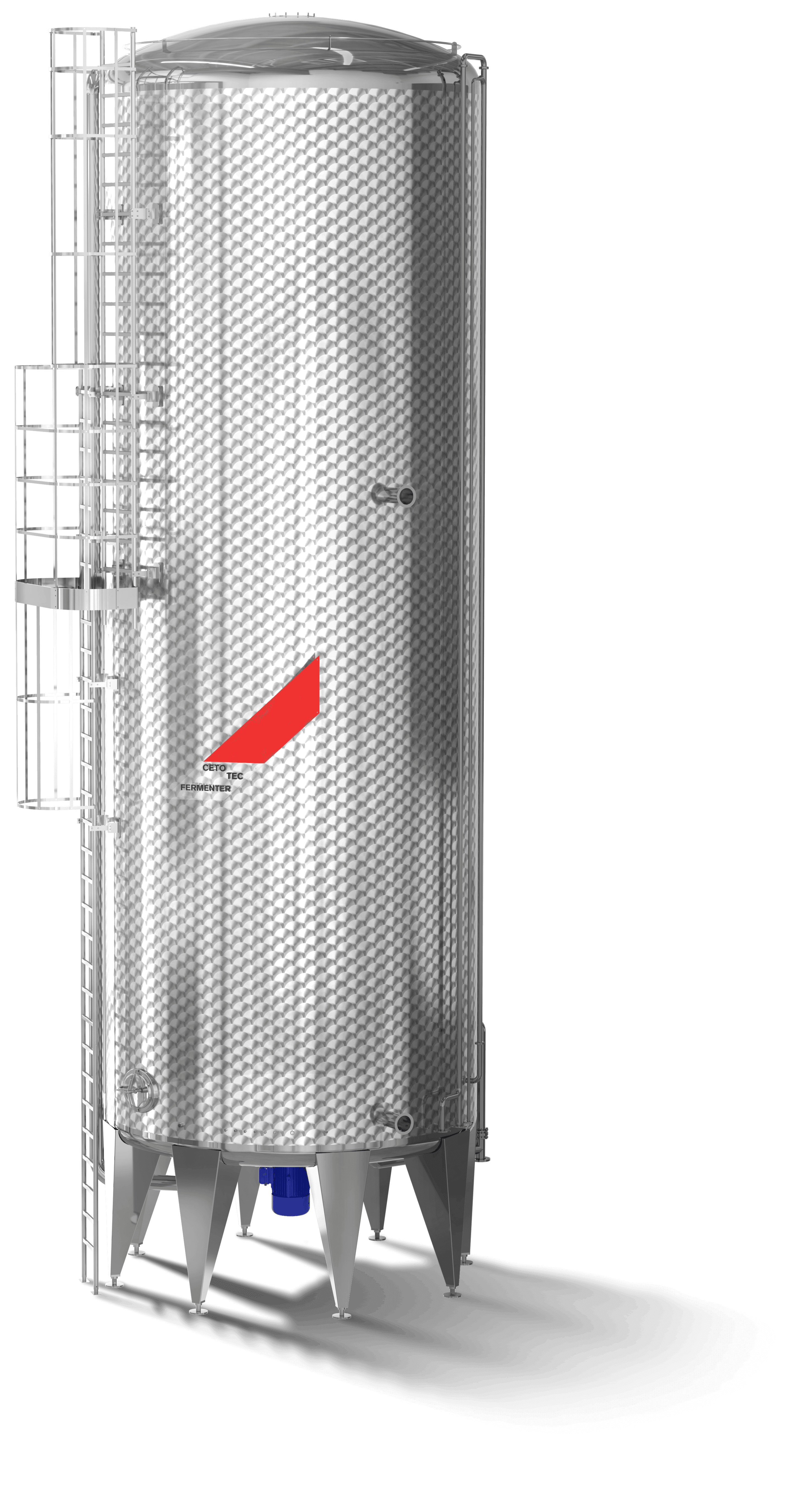
Sustainable
Fermenter
The world's first sustainable
fermenter for vinegar
production that cuts your
energy costs in half.
Scroll to explore
Imagine saving energy costs while increasing your vinegar production. Are you ready for a sustainable future?
Save >0% energy for aeration only.
Less cooling capacity further reduces energy demand. The sustainable fermenter offers significant energy savings of 53-70% in comparison with traditional models.
Considerably reduced transport costs.
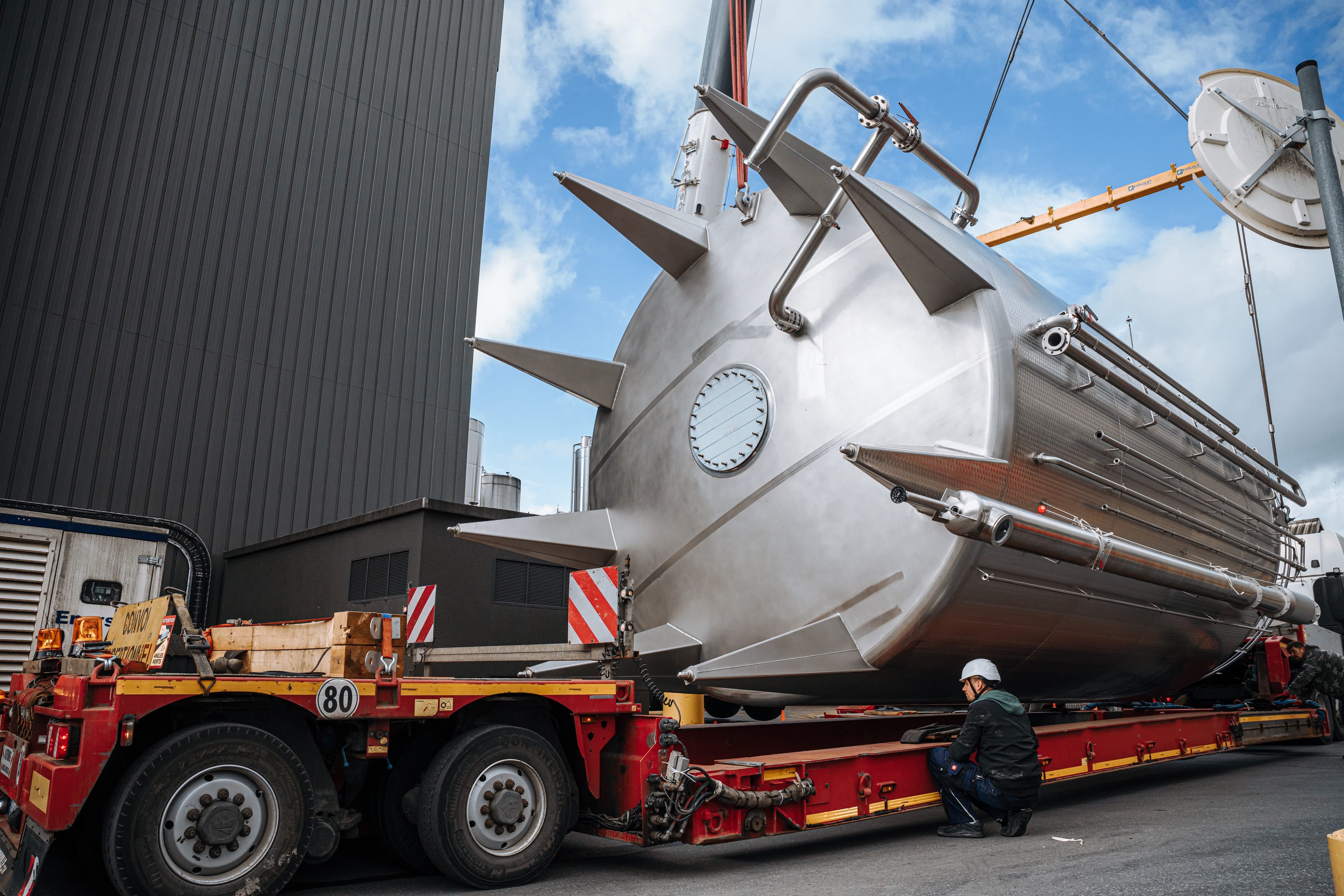
Improved transportability due to smaller diameter.
Worldwide tax incentives and funding eligibility.
Reduction of size and energy demand of peripheral infrastructure.
Accelerated fermentation process and more stress-resistant acetic acid bacteria.
Smaller footprint on production site.
Due to smaller diameter in comparison with traditional models.
Sustainable
Fermenter
Cetotec sets new standards in vinegar production
Get in contactThe sustainable fermenter offers significant energy savings of 53-70%, along with substantially reduced transportation costs.
This innovative design results in a smaller ecological footprint while producing more stress-resistant acetic acid bacteria.
All benefits at one glance
Save > 50% energy for aeration only.
Considerably reduced transport costs.
Worldwide tax incentives and funding eligibility.
Reduction of size and energy demand of peripheral infrastructure.
Accelerated fermentation process and more stress-resistant acetic acid bacteria.
Smaller footprint on production site
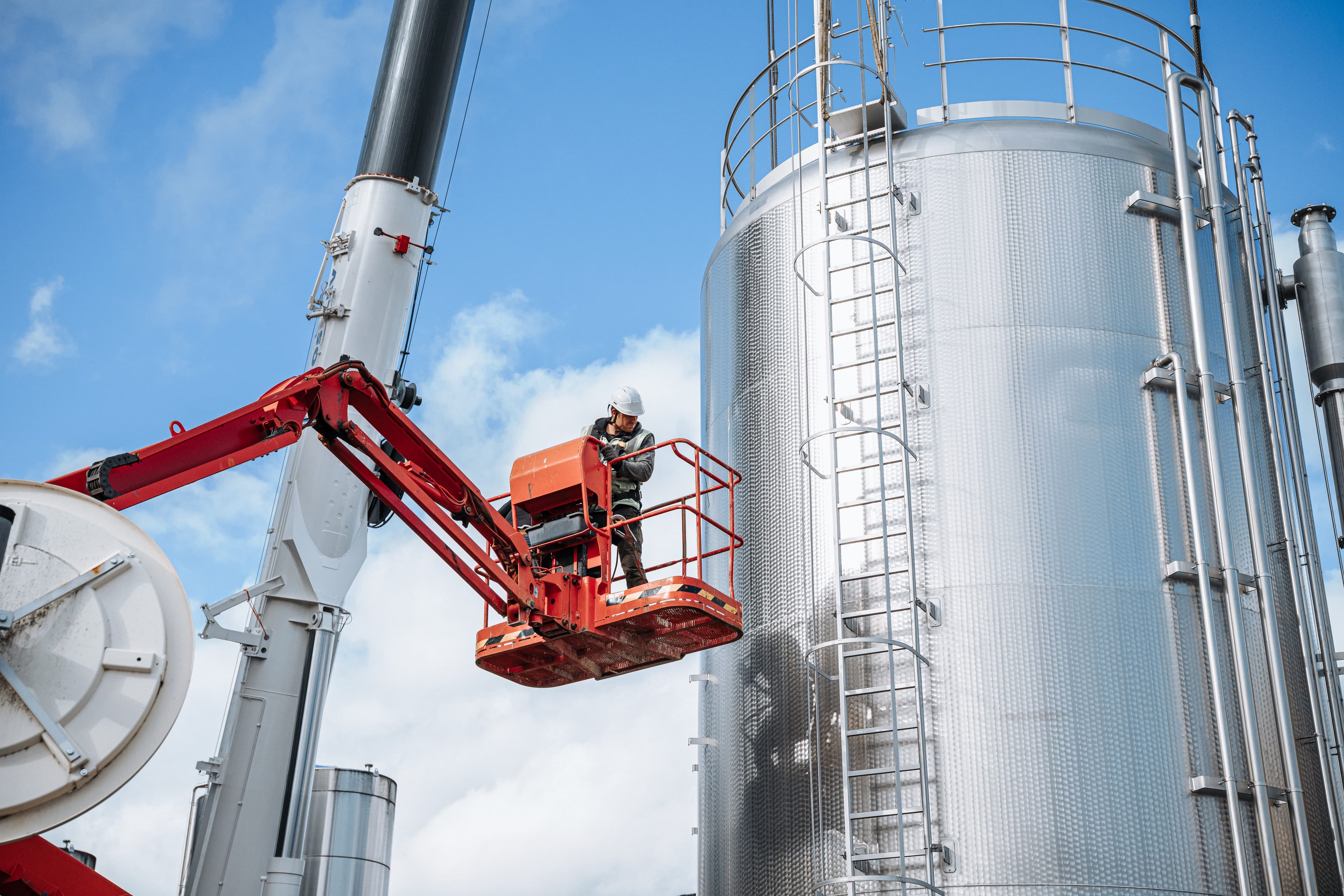
A new fermenter that allows significant transport savings
Transport in Europe
Up to 40%
savings*
Transport Worldwide
Up to 50%
savings*
*depending on location of the customer
Cetotec brings 30 years of vinegar innovation expertise and keeps being ahead – with the world’s first line of resource saving fermenters.
Developed for maximum efficiency and sustainable production processes, the sustainable fermenter product line offers innovative solutions for a future-oriented food industry.
The innovative design results in making the vinegar production process both more environmentally friendly and economically efficient.
Get in contact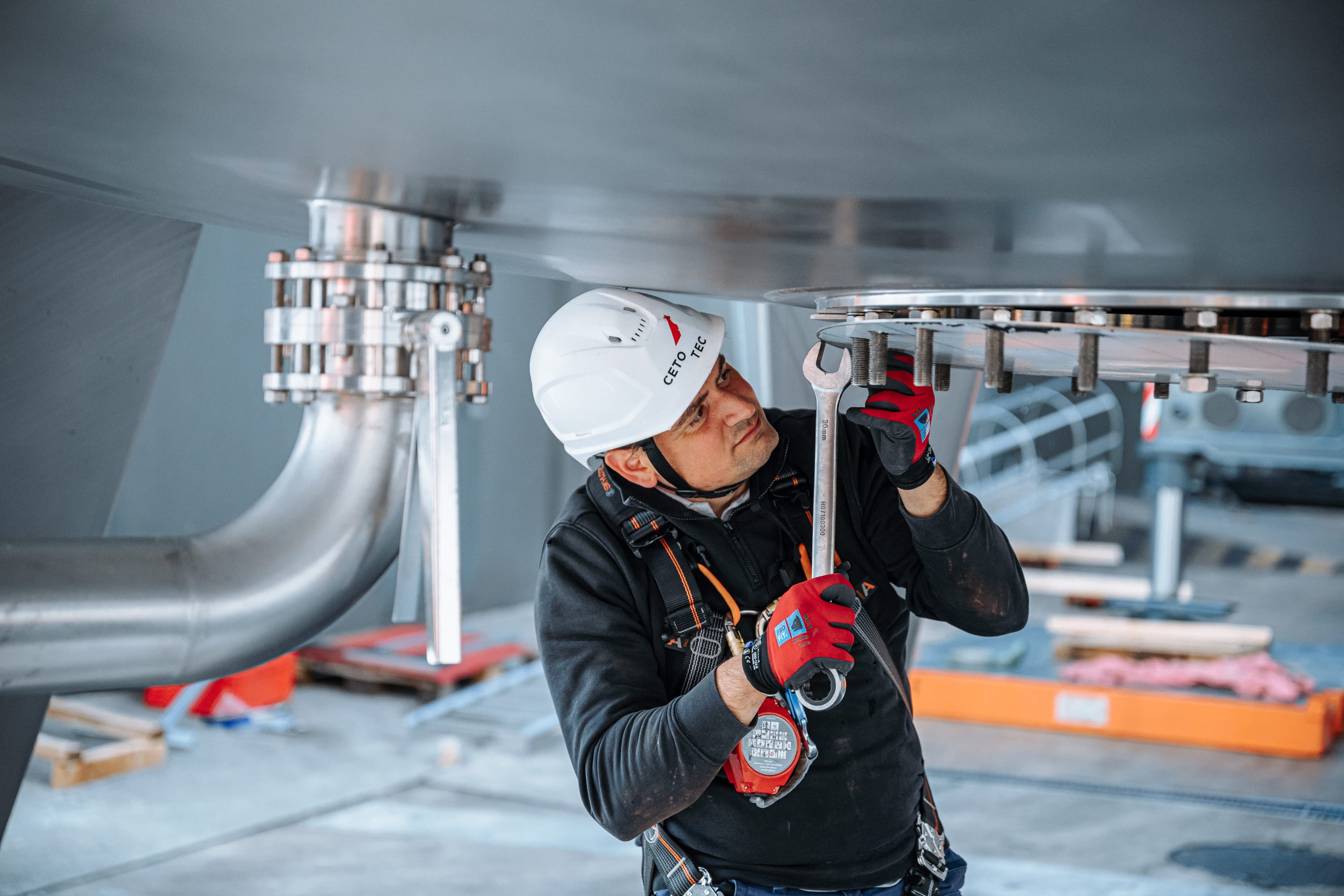
How does the sustainable fermenter compare?
| Old generation | New sustainable generation | |
|---|---|---|
| Aeration | Self-aspirating aeration system | Pressurized air injection paired with highly efficient rotor |
| Energy consumption | High | Energy savings of 53-70%, resulting in significantly lower operational costs |
| Tank architecture | Limited in height therefore larger diameter | Higher and more slim tank design with smaller footprint due to smaller diameter |
| Transport costs | Considerably less transport costs |
Sustainable technology tested and proven in the field.
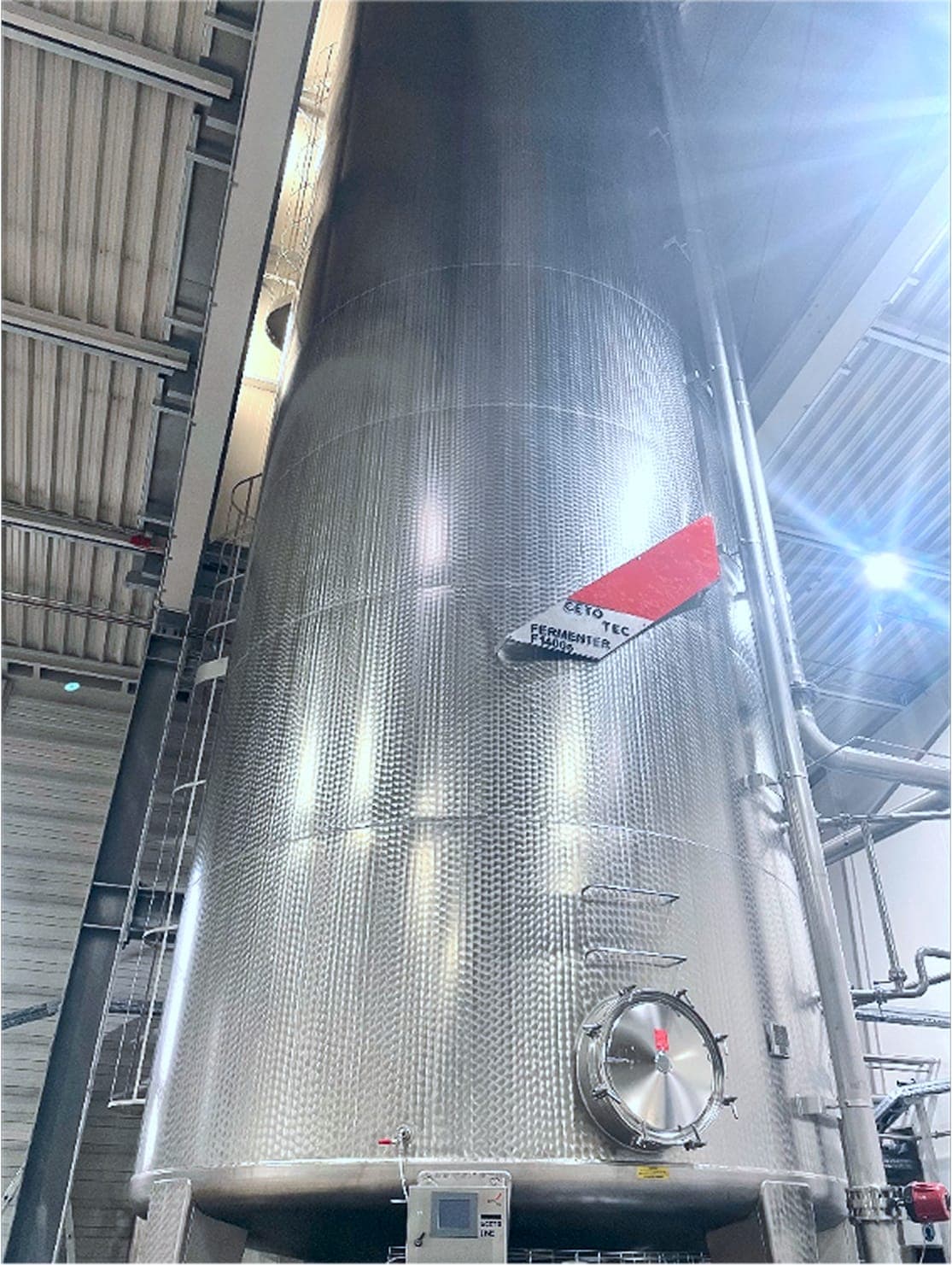
F1400SGermany in 2022 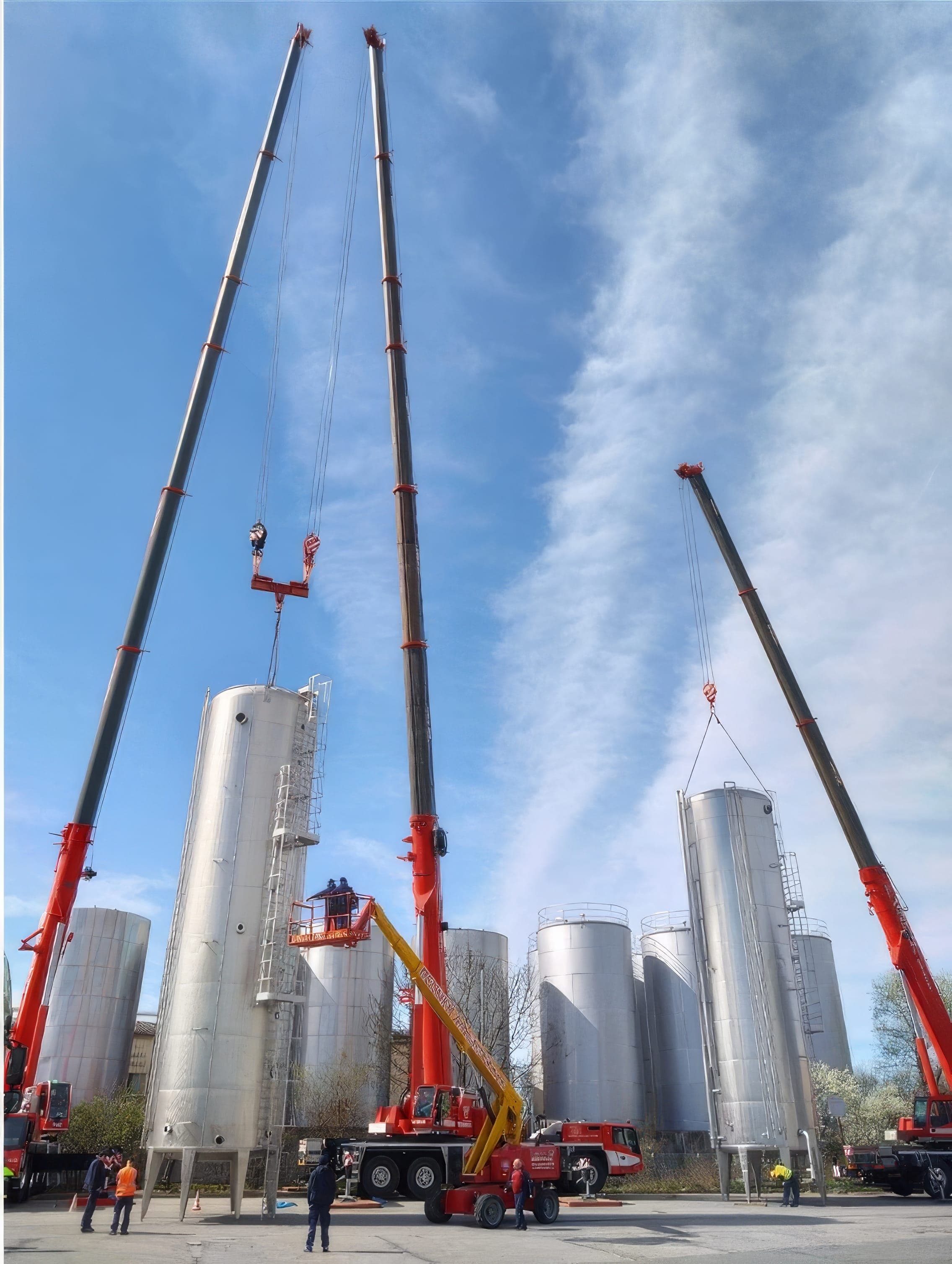
F1100SFrance in 2023 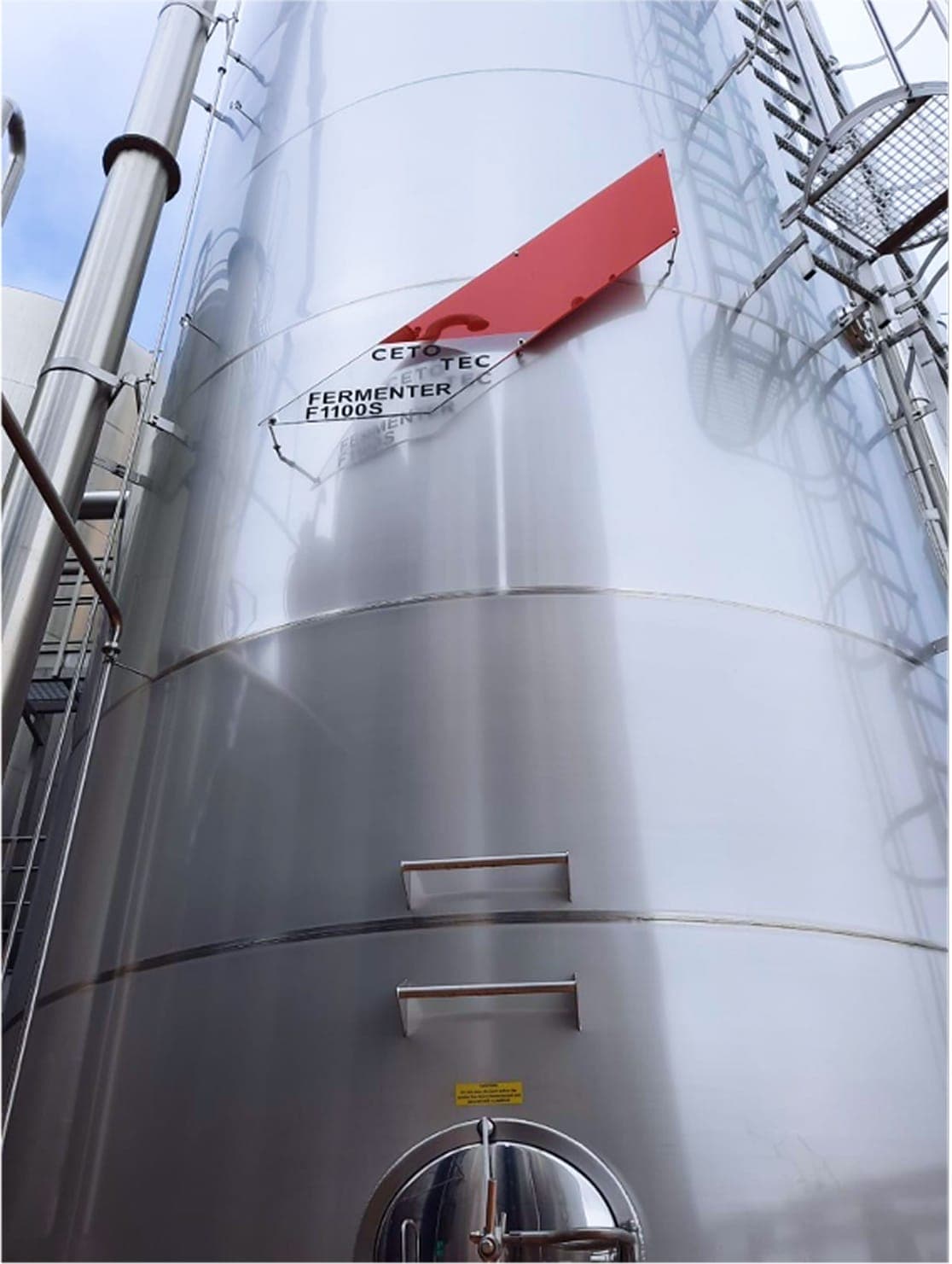
F1100SCzech Republic in 2023 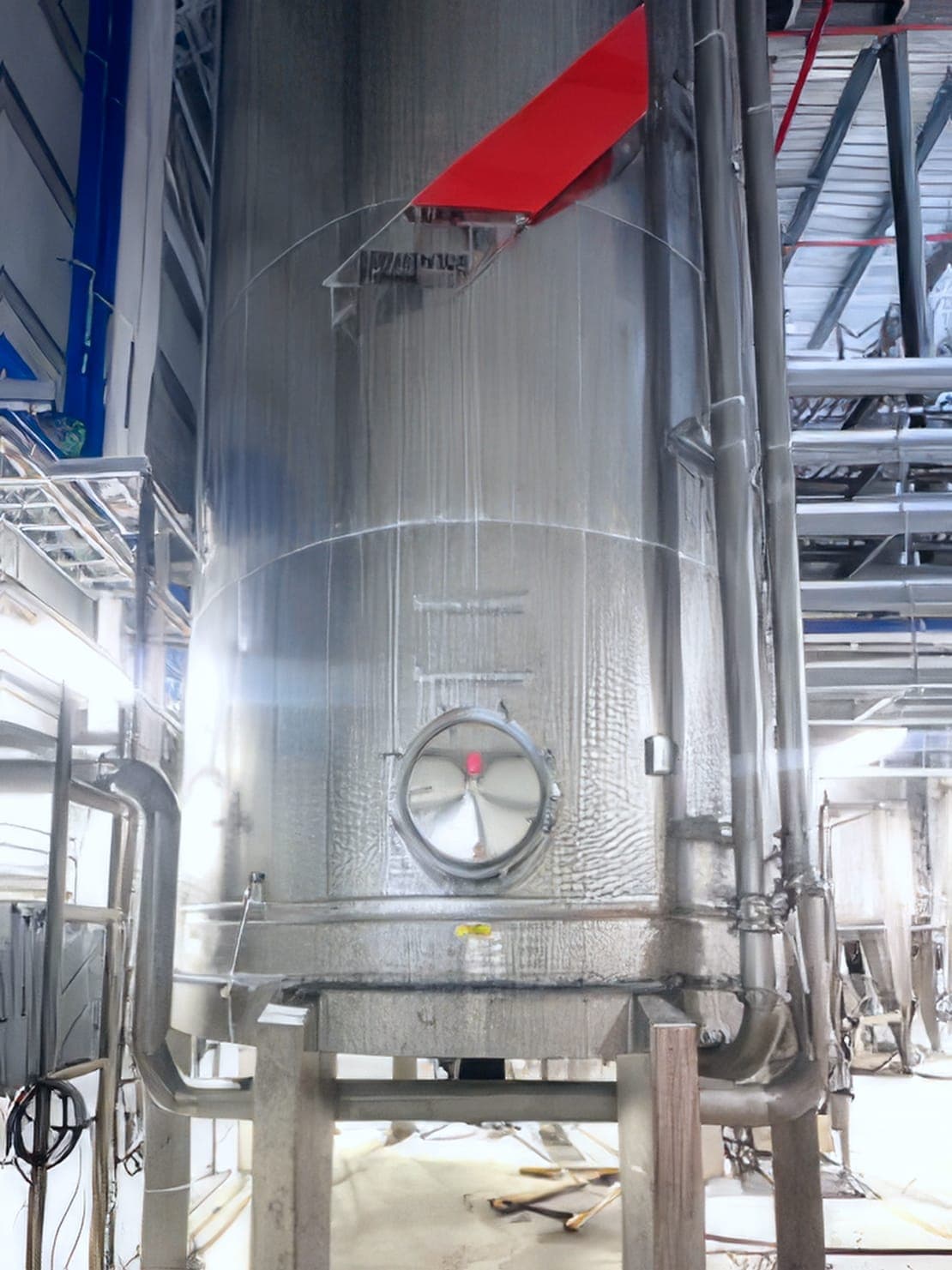
F1400SUSA in 2024
Maximize production,
minimize energy demand.
Performance of our sustainable fermenter types.
| S-Fermenter | F600s | F850s | F1100s | F1400s |
|---|---|---|---|---|
| US gallons of vinegar per year* | 2.720.000 | 4.250.000 | 5.520.000 | 7.050.000 |
| Liters of vinegar per year* | 10.300.000 | 16.100.000 | 20.900.000 | 26.700.000 |
*based on 10% acidity
Discover the 6 key components of a sustainable fermenter
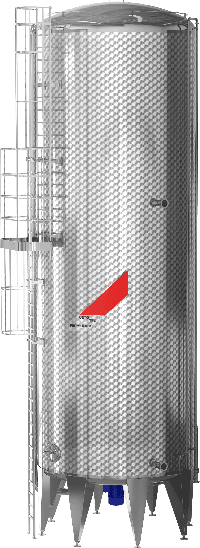
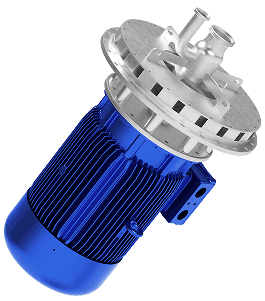

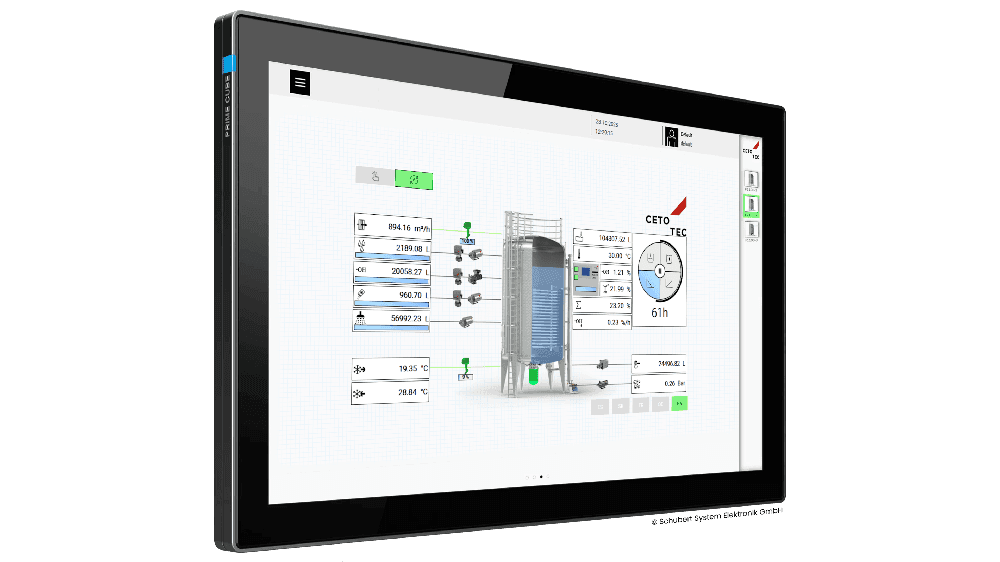
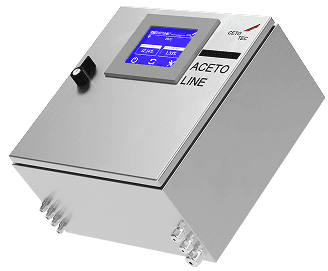
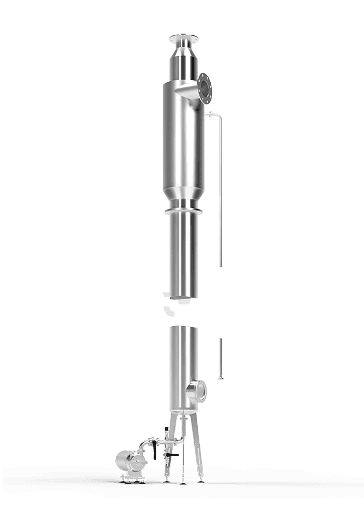
Built by customer demand: The next-generation fermenter
When we started developing the sustainable fermenter, our main goal was finding a way how to improve fermentation efficiency.
At the same time energy prices kept on rising and our customers were looking for ways to save energy costs and improving their ecological footprint.
So it was a break-through that at the same time we could establish a method which consumed significantly less energy than the traditional fermenter models and at the same time increased fermentation efficiency.
FAQ S-Fermenter
Got another question?The aeration is based on a different method implementing a patented geometry incl. the usage of an external blower system leading to significant energy savings.
Only on aeration already over 50%, less cooling adds up another 20%.
Our fermenters have an average delivery time of 6 months.
